The SOTA Process: A Tenant’s Guide from Start to Finish
If you’re a New York City tenant approved for the Special One-Time Assistance (SOTA) program and considering a move to New Jersey, understanding the process upfront can save you time, stress, and missed opportunities. This guide walks you through the SOTA process step by step, explains what landlords look for, and highlights how working with a knowledgeable NJ-based realtor like GBHNJ can make your relocation smoother.
What Is the SOTA Program?
SOTA is a NYC Human Resources Administration (HRA) program designed to help eligible households move out of shelter and into permanent housing. The program provides rental assistance paid directly to the landlord, often covering a full year or more depending on household size and circumstances.
Many SOTA households choose to relocate to New Jersey due to greater housing availability, more space, and access to strong school districts and transportation options.
Step 1: Shelter Approval & Housing Search
Once your shelter caseworker confirms your eligibility for SOTA, you’re cleared to begin your housing search. This is where things move quickly—and where having the right realtor matters.
GBHNJ works directly with SOTA-approved households relocating to New Jersey, helping tenants:
- Identify SOTA-friendly landlords
- Understand NJ rental requirements
- Submit complete and accurate rental packets on time
Step 2: Employment & Income Documentation (Don’t Miss Work)
One of the most important—and commonly misunderstood—parts of the SOTA process is income verification.
SOTA uses your four (4) most recent pay stubs to qualify you.
This means:
- Missing work can reduce your income average
- Reduced income can delay approval
- Inconsistent pay can raise questions during review and alter your approval amount
Best practice:
If possible, avoid calling out or changing your work schedule while your SOTA packet is being prepared. Stability matters during this phase.
Step 3: Credit History Matters (Even If It’s Not Everything)
While SOTA tenants are often told that credit scores are not the primary factor, landlords still review credit reports—especially in competitive NJ rental markets. Remember your credit profile is a snapshot of what life will be like after the program ends so it's best to present yourself as responsible from the begininng.
What landlords typically look for:
- Open collections or judgments
- Utility or previous landlord debt
- Patterns of non-payment
 Tip for shelter residents:
Do your best to stay current on any existing obligations. Even small improvements can make a difference in landlord approval.
Credit is not always a deal-breaker, but transparency and explanation go a long way.
Step 4: Viewing & Application Submission
Once a suitable unit is identified:
- The landlord agrees to accept SOTA
- A rental packet is prepared
- Documents are reviewed for completeness
This is where delays often happen—missing signatures, incorrect lease terms, or late submissions can push move-in dates back.
GBHNJ helps ensure:
- Correct lease language
- Proper rent amounts
- Accurate landlord documentation
- SOTA packet completed correctly
- Unit Photos & Videos ready
Step 5: HRA Review & Approval
After submission:
- HRA reviews the full packet
- Additional documents may be requested
- Approval timelines depend on submission date and completeness
- Once approved, payments are issued directly to the landlord and move-in can proceed.
- Why Use GBHNJ for Your NJ Relocation?
Common Questions
How many pay stubs do I need for SOTA approval?
SOTA uses your four most recent pay stubs to verify income and calculate your approval amount, so consistent work and pay during this period matters.
Does my credit score disqualify me from SOTA?
No. Credit is not always a deal-breaker. Landlords review credit reports, but transparency about your situation and staying current on existing obligations go a long way.
What causes delays in the SOTA approval process?
The most common causes are missing signatures, incorrect lease terms, late submissions, or an incomplete rental packet. Working with an experienced agent helps avoid these delays.
Why work with a realtor for a SOTA relocation to New Jersey?
New Jersey has different rules, landlord expectations, and market standards than NYC. GBHNJ combines NJ market expertise with SOTA transaction experience to reduce delays and denials.
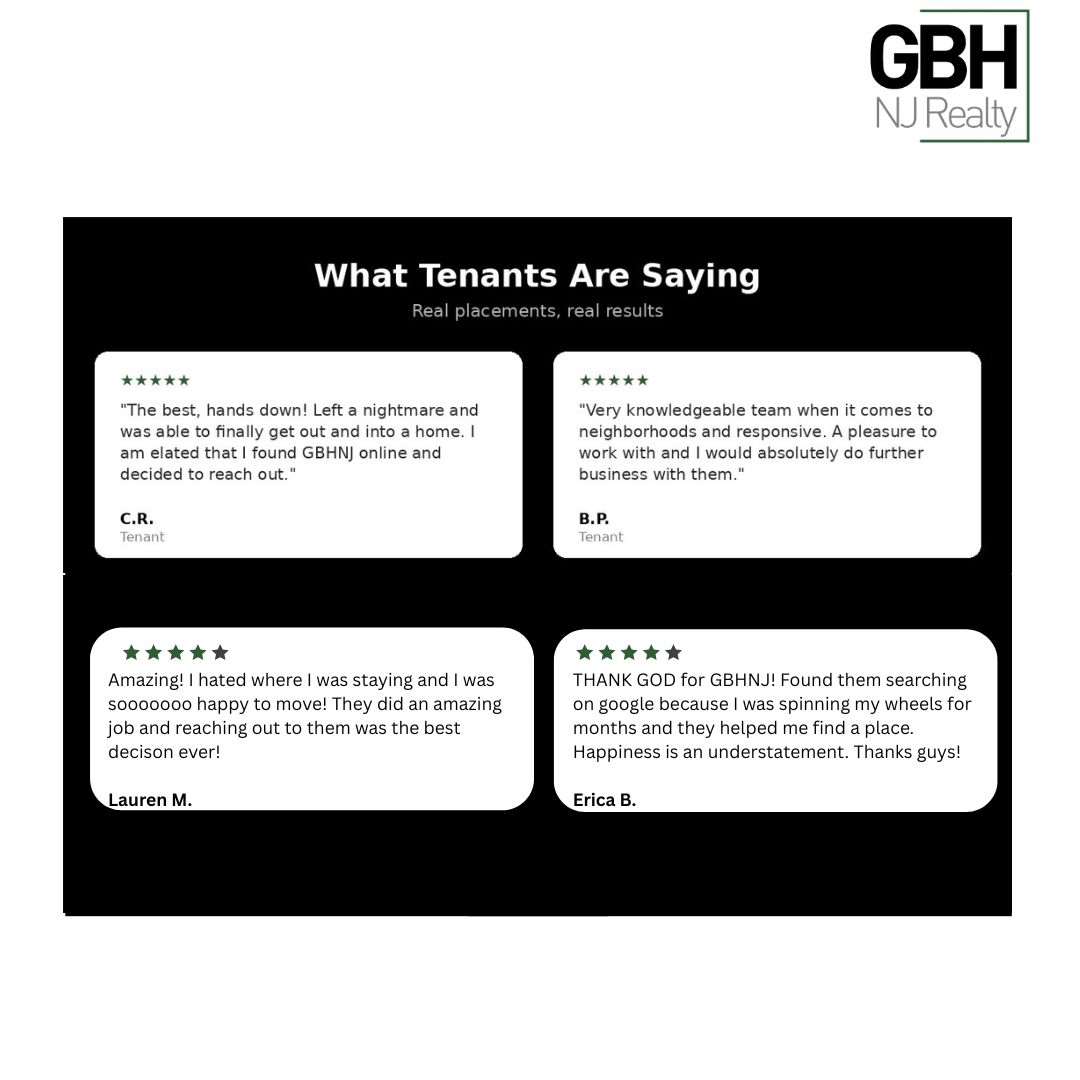
Relocating out of NYC shelter into New Jersey comes with different rules, expectations, and landlord standards. GBHNJ bridges that gap by combining:
- NJ market expertise
- Experience with SOTA transactions
- Clear communication between tenant, landlord, and shelter
The result? Fewer delays, fewer denials, and a smoother transition into permanent housing. A GOOD Agent Matters
If you are a SOTA eligible tenant in need of housing in New Jersey then contact us and let us help you!